Local vs. National: Why Minneapolis Employers and Job Seekers Choose a Twin Cities Temp Agency

Recruiter at a local Minneapolis temp agency office meeting with a job seeker

Search for a temp agency in Minneapolis and you’ll get a mix of results: a handful of national names with offices scattered across the metro, and a smaller number of locally owned agencies that have been placing Twin Cities workers for decades. On paper, they look like they’re offering the same thing. In practice, employers and job seekers who’ve used both keep describing a very different experience, and it usually comes down to one word: local.

The difference isn’t marketing, it’s how the relationship actually works

The most common complaint about larger, national staffing agencies isn’t about price. It’s about being treated like an order instead of a relationship. Employers describe calling in a need and getting whoever’s available, without much sense that the agency understands their floor, their culture, or what actually went wrong the last time a placement didn’t work out. Job seekers describe a similar pattern from the other side: submitting an application, going through an intake process, and then hearing very little, sometimes not hearing back at all, even after being told they’d be a great fit.

That gap between “we’ll fill your order” and “we understand your business” is the entire difference between a staffing vendor and a staffing partner. A vendor reacts. A partner already knows your account before you call, because the same local team has been handling it for months or years, not routing your request to whoever’s on shift at a call center that day.

Why physical presence in Minneapolis actually matters

A staffing office in Minneapolis isn’t just a nicer location on a business card. It changes what the agency actually knows. A recruiter working out of a Minneapolis or St. Paul office knows which manufacturers are hiring right now, what shift differentials look like for second and third shift in this specific market, and which candidates just finished an assignment a few miles from your facility. That kind of knowledge doesn’t transfer through a national database, it comes from being embedded in the same labor market you’re hiring in.

For job seekers, the same local presence means being able to walk into an actual office and talk to a person, rather than navigating a phone tree or a chatbot that routes to whichever recruiter picks up next. In a tight labor market like Minnesota’s, where there are roughly 0.6 job seekers for every open position, that kind of accessibility isn’t a nice extra, it’s often the difference between getting placed quickly and getting lost in a queue.

The trust signals people actually look for

When Twin Cities employers and job seekers talk about what makes them trust a staffing agency, the same handful of things come up again and again: is the office actually local, do the same recruiters handle your account over time, and does the agency communicate proactively instead of going quiet after a placement is made. None of these are about size or brand recognition. They’re about whether the relationship feels like it’s being maintained or whether it only exists at the moment someone needs something filled.

This is also why word-of-mouth and reviews matter so much in this category. People consistently describe finding a good local agency almost by accident, a recommendation, a search that turned up a smaller name they hadn’t heard of, and then staying because the experience was different from what they expected. That pattern shows up on both sides of the market: employers who tried a national brand first and switched, and workers who’d been burned by feeling like “just a number” somewhere else.

What “local” actually gets an employer

For a Minneapolis employer, working with a local agency means a few concrete things. It means a recruiter who can have a real conversation about your specific floor instead of matching keywords on a job description. It means faster response when something changes last minute, because you’re not waiting for a request to be routed and reassigned. And it means accountability that’s easier to maintain when the same team has handled your account for years rather than a rotating cast of account managers.

None of this is a knock on scale for its own sake. A larger agency isn’t automatically worse. But scale without local presence tends to produce exactly the pattern employers complain about most: fast to say yes, slower to actually understand what you need, and inconsistent about who you’re even talking to from one request to the next.

What “local” actually gets a job seeker

For someone looking for work in Minneapolis, the local difference shows up just as clearly. It’s the recruiter who remembers your schedule constraints without you repeating them every time. It’s actually hearing back, rather than submitting an application into a system that never responds. And it’s having someone who can vouch for you with an employer they already have a real relationship with, not just forward a resume into a stack.

The workers who describe the best experiences with staffing agencies almost always describe a specific person, not a company. A recruiter who worked around their schedule, who followed up, who found them something that actually fit instead of just something that was open. That kind of relationship is much easier to build and maintain with a local team than with an agency structured around volume and call-center efficiency.

What to actually ask before choosing

Whether you’re an employer or a job seeker, a handful of direct questions tend to reveal which kind of agency you’re really dealing with faster than any marketing page will.

For employers, worth asking directly:

• What industries do you actually specialize in, versus just cover on a list?
• How do you source and screen candidates for a role like mine?
• What’s your process when a placement doesn’t work out?
• What happens if someone doesn’t show up, and how often does that happen?

Vague or evasive answers to any of these are worth treating as a red flag, and a reputable local agency should be able to answer all of them without hesitation, because they’re answering from direct experience with your specific market, not a corporate script.

For job seekers, the equivalent questions are just as direct:

• What do this agency’s reviews actually say about placement speed and communication?
• Do they specialize in the kind of work you’re looking for?
• Do they offer a real temp-to-hire path, or only short-term gigs?
• Is the office close enough that you can walk in and talk to someone face to face if you need to?

A legitimate local agency will answer these openly, and the answers themselves tend to be the clearest signal of whether you’re dealing with a partner or just the next name on a list.

Why the emotional shift matters as much as the practical one

People rarely come to a staffing agency, on either side of the table, without some baggage from a past bad experience. Distrust is usually the starting point, not the exception, employers who’ve been sent an unqualified worker before, job seekers who’ve been ghosted after doing everything right. That’s part of why the local versus national distinction carries so much weight in this category specifically. When a good experience does happen, the word that shows up again and again isn’t satisfaction, it’s relief. Relief that the panic of an unfilled shift is subsiding. Relief that someone actually called back. Relief that a placement turned into steady, dependable work instead of another disappointment.

That relief tends to be disproportionate to how simple the actual fix was, because the fear and distrust it’s replacing were built up over multiple bad experiences elsewhere. A local Minneapolis agency that consistently shows up, communicates, and follows through isn’t doing anything exotic. It’s just reliably doing the basic things a staffing partner is supposed to do, in a category where a lot of people have learned not to expect that as the default.

The bottom line for Minneapolis

Choosing between a national staffing brand and a local Twin Cities agency isn’t really a choice between big and small. It’s a choice between a company that processes your request and one that already knows your specific situation before you finish explaining it. In a labor market as tight as Minneapolis’s, where speed and fit both matter and there’s very little room for a bad placement to sit unresolved, that difference tends to show up fast, usually in the very first interaction.

If you’re evaluating a temp agency in Minneapolis right now, the fastest way to tell which kind you’re dealing with isn’t reading the website. It’s calling and asking one of the direct questions above, and paying attention to whether the answer sounds like it’s coming from someone who actually works in this market, or from a script written for every city the company operates in. That one call usually tells you more than any comparison page could.


Temp vs. Temp-to-Hire vs. Direct Hire — Which Fits Your Minneapolis Light Industrial Team?

Minneapolis warehouse manager reviewing a light industrial temp-to-hire worker's performance on the floor

A plant manager in Fridley needs six people for a two-week inventory push. A warehouse supervisor in Minneapolis has had the same open position for four months and is tired of interviewing. A food production facility in St. Paul just landed a new contract and needs to know, honestly, whether the three people they’re about to bring on will still be there in a year. These are three completely different staffing problems, and they call for three different solutions. The confusion almost every light industrial employer runs into isn’t whether to use a staffing agency. It’s which kind of placement actually fits the problem they have.

The three options aren’t really about staffing type, they’re about risk and time

Temporary staffing, temp-to-hire, and direct hire get talked about like they’re just different service tiers. They’re not. Each one is really answering a different question about how much risk you’re willing to carry and how much time you have before you need certainty.

Temporary staffing answers the question “I need coverage, and I don’t know how long.” It’s built for short-term projects, seasonal demand, and unpredictable swings, the inventory push in Fridley, the holiday volume spike in a distribution center, the two months a full-time employee is out on leave. There’s no long-term commitment on either side. When the work ends, the assignment ends. This is the option that makes sense when the need itself is temporary, not just the hiring process.

Temp-to-hire answers a different question: “I think I need someone permanent, but I don’t want to find out I was wrong after I’ve already hired them.” This is the option built around watching someone actually work before making a long-term decision. You see whether they show up consistently, whether they can handle the pace of your specific floor, whether they fit with the team that’s already there. None of that comes through in an interview. It comes through in the first few weeks on the job, and temp-to-hire is structured specifically so you get to see it before it’s a permanent decision.

Direct hire answers a third question: “I already know this needs to be a permanent role, I just need help finding the right person.” There’s no trial period here because you don’t need one, you’re not testing whether the position should exist or whether it’s temporary work, you already know it’s not. What you need is a properly screened, pre-qualified candidate placed directly into that role.

Why this distinction matters more in a market like Minneapolis

Minnesota’s labor market is one of the tightest in the country, with roughly 0.6 job seekers for every open position. In a market like that, guessing wrong on which staffing approach to use is expensive in a way it might not be somewhere with a looser labor supply. If you commit to direct hire for a role that turns out to be genuinely temporary, you’ve paid a placement fee for work that didn’t need to be permanent. If you treat a role that should be permanent as a revolving door of short-term temps, you’re absorbing constant onboarding costs and never building the stable floor you actually need.

The Twin Cities metro is a major manufacturing and distribution hub, and demand for warehouse and production labor here doesn’t really let up, e-commerce growth alone has kept it elevated well past what it looked like a decade ago. That means most light industrial employers in this market aren’t choosing between “hire” and “don’t hire.” They’re choosing how to structure a hire they already know they need, which is exactly why matching the right option to the right situation matters so much.

Twin Cities warehouse team completing a short-term seasonal inventory count

How the cost structure actually differs

For temporary and temp-to-hire placements, you pay the worker’s hourly rate plus a markup that covers payroll, workers’ compensation, unemployment insurance, and general liability, the costs Northland carries as employer of record throughout the assignment. For direct hire, it’s typically a one-time placement fee based on the position’s annual salary, paid once, when the hire is made, rather than an ongoing markup on an hourly rate.

Neither is inherently cheaper than the other, they’re priced for different situations. A markup on an hourly rate makes sense when the engagement might last two weeks or might last eight months, and neither side wants to commit further than that. A one-time placement fee makes sense when everyone already agrees the role is permanent, and you’re paying for the sourcing and screening work rather than for ongoing employer-of-record administration.

What temp-to-hire actually looks like in practice

The reason temp-to-hire has become the default choice for a lot of Twin Cities manufacturers and warehouse operators isn’t complicated. It removes the two biggest risks in hiring at the same time. You’re not committing to someone before you’ve seen them handle your actual equipment, your actual pace, your actual team. And the worker isn’t stuck guessing whether the “opportunity for advancement” they were promised is real, they’re working toward an actual decision point, not an indefinite maybe.

A meaningful share of the light industrial workers placed through temp-to-hire arrangements end up hired on permanently by the company they were temping for, sometimes within just a few months. That’s not a coincidence, it’s what the arrangement is designed to produce: a permanent hire that both sides already know is a fit, instead of one either side is hoping works out.

When direct hire is actually the better call

Direct hire isn’t a “better” or “more serious” option than temp-to-hire, it’s the right call in a narrower set of situations: when you already know definitively that a role is permanent, when you don’t need or want a trial period, or when the role is specialized enough that you’d rather skip straight to a fully vetted, pre-qualified candidate. Skipping the trial period only makes sense when there’s genuinely nothing left to learn by watching someone work first. If there’s real uncertainty about fit, pace, or team dynamics, that uncertainty doesn’t go away just because you picked direct hire instead of temp-to-hire, it just shows up after the hire instead of before it.

What each option looks like from the worker’s side

It’s worth remembering that every one of these arrangements is also an experience for the person being placed, and that experience differs a lot depending on which option you’re using.

On a temporary assignment, a worker generally understands going in that the role has a defined end point, and reputable staffing arrangements still come with real benefits, weekly pay, medical and dental coverage, a 401(k), paid time off, referral bonuses, the kind of package many people don’t expect from a short-term role. On a temp-to-hire assignment, that same worker knows there’s a real path to something permanent, not just a vague promise, and workers consistently say that clarity is what separates a good staffing experience from a frustrating one. The single biggest fear on the worker side isn’t the paperwork or the pay, it’s being treated as disposable, brought on for temp-to-hire and then never actually considered for the permanent role. An employer who takes the evaluation seriously, and actually converts workers who earn it, builds a reputation in the local labor market that makes the next hire easier too, because word travels fast among Twin Cities job seekers about which companies actually follow through.

Direct hire, from the worker’s side, means walking into a role that’s already been fully vetted and agreed on before day one. There’s no ambiguity about status or duration, which some workers strongly prefer, especially those who’ve had a bad experience with an agency that promised temp-to-hire and never followed through.

The practical way to decide

Start with how certain you already are. If you’re not sure the role is even permanent, temporary staffing is the honest answer, don’t force a decision the situation doesn’t call for yet. If you’re fairly confident it’s a permanent need but want to see it play out on your floor before committing, temp-to-hire removes the guesswork without slowing down the timeline. If there’s no real uncertainty left, the role is permanent, the requirements are clear, direct hire gets you to a long-term employee without an unnecessary trial period.

None of these are staffing tiers ranked by seriousness. They’re three different tools built for three different amounts of certainty, and in a labor market as tight as the Twin Cities, picking the one that actually matches your situation is what keeps a staffing decision from turning into a staffing regret.

Going back to the three situations at the start: the Fridley plant manager with a two-week inventory push has a temporary need, and treating it as anything else just adds cost and paperwork without adding value. The Minneapolis warehouse supervisor who’s been stuck on the same open role for four months likely already knows it’s permanent, and a properly screened direct hire probably solves it faster than another round of interviews. The St. Paul food production facility bringing on new people for a new contract, uncertain how the fit will actually play out under real production pressure, is exactly the situation temp-to-hire was built to de-risk. Same underlying need, three different tools, three different right answers.

How Fast Can You Get Light Industrial Workers in Minneapolis? A Real Answer

Employee talking with temporary on site staffing agency

It’s 6 a.m. and one of your line workers didn’t show up. Maybe it’s two of them. The shift starts in three hours, the order still has to ship today, and the person who usually covers gaps like this just went on leave. If you manage a warehouse, production floor, or distribution center anywhere in the Twin Cities, this isn’t a hypothetical. It’s a Tuesday.

The question that actually matters in that moment isn’t “what’s a staffing agency.” It’s “how fast can someone real, who can actually do this job, be standing on my floor.” That question is different in Minneapolis than it is almost anywhere else in the country, and the answer depends on things most staffing agencies don’t explain clearly: how tight the local labor market actually is, what a staffing partner does before you ever call them, and what happens to the risk and the paperwork once a worker is on your floor.

Minneapolis has one of the tightest labor markets in the country, and that changes the math

Minnesota entered 2026 with roughly 0.6 job seekers for every open position. For every 10 open jobs in the state, there are only about 6 people actively looking. That’s not a talking point, it’s the reason speed in light industrial staffing is either genuinely possible or genuinely not, depending on who you call.

An agency that doesn’t already have people in its pipeline can’t manufacture candidates out of nowhere just because you need them by 9 a.m. In a market with 83 available workers for every 100 open jobs, a staffing company either already has a warm bench of screened, available people, or it’s going to be scrambling right alongside you. That’s the practical difference between an agency that treats staffing as a relationship it maintains year-round and one that only starts looking the moment your phone call comes in.

The Twin Cities metro is also one of the country’s major manufacturing and distribution hubs, which means the competition for reliable warehouse, assembly, and production workers is constant, not seasonal. E-commerce growth alone has kept demand for warehouse and distribution labor elevated well beyond what it looked like a decade ago. None of this is unique to any one employer’s bad luck. It’s the baseline condition of hiring light industrial labor in Minneapolis right now.

What actually happens when you call

Here’s the part most staffing pages skip over: what happens between your phone call and someone showing up.

Northland Staffing keeps a working candidate database of more than 40,000 people across the Twin Cities, already screened for the kinds of roles that make up light industrial work: assembly, food production, warehouse and fulfillment, machine operation, manufacturing, printing, and quality control. That pipeline is built and maintained across offices in Minneapolis, St. Paul, and Edina, which matters more than it might sound like it should. A recruiter working out of a call center in another state can’t tell you which candidates already have a forklift certification, who’s reliable on second shift, or who just finished an assignment two miles from your facility. A local team can, because they placed that person themselves.

When you call with an opening, the process starts with understanding exactly what you need: the role, the shift, whether it requires a specific skill like forklift operation or machine work, and how many people. From there, it’s a matter of matching that need against a pipeline that’s already screened, not starting a search from scratch. That’s the difference between a same-day or next-day fill and a week of waiting while an agency posts your job and hopes someone qualified applies.

Light-Industrial-For-Businesses-Northland Staffing

Screening isn’t optional, and it shouldn’t be an afterthought

Every candidate placed in a light industrial role goes through criminal background screening, and Northland has maintained E-Verify compliance for more than a decade. That matters for two reasons. First, it protects your business from the legal exposure of an improperly vetted worker on your floor. Second, and just as important, it’s the difference between sending you a “warm body” and sending you the right person.

That distinction shows up constantly in how Twin Cities employers talk about staffing agencies. The complaint that comes up again and again isn’t about price. It’s about agencies that fill a seat without checking whether the person in it can actually do the job, or without any real accountability if they can’t. A worker who lacks the skill they claimed, or who simply doesn’t show up, doesn’t just slow down a shift. In manufacturing and industrial environments, it can shut down a line entirely. Screening upfront is what prevents that from being a surprise you discover on day one.

Who carries the risk once someone’s on your floor

This is the part that gets glossed over the most, and it’s often the deciding factor for plant managers and operations leads who’ve been burned before.

When Northland places a temp or temp-to-hire worker, Northland remains the employer of record. That means workers’ compensation coverage, general liability insurance, unemployment insurance, and payroll tax administration stay with Northland, not your company. If a worker is injured during an assignment at your facility, it’s Northland’s coverage that responds. You still direct the day-to-day work and set the safety expectations on your floor, but the employment relationship, and everything that comes with it legally and financially, doesn’t sit on your books.

For a lot of Twin Cities manufacturers, this is the actual reason they use a staffing partner instead of hiring short-term or seasonal labor directly. It’s not just about finding people faster. It’s about not personally absorbing the liability, the paperwork, and the administrative overhead that comes with every short-term hire.

What it actually costs

Pricing for light industrial temp staffing in the Twin Cities typically works as a markup over the worker’s hourly pay, generally in the 30 to 60 percent range depending on the role, the shift, and how specialized the work is. If you’re currently paying an all-in rate somewhere between $22 and $28 an hour for warehouse or production staff, that’s squarely the range most light industrial placements in this market fall into.

That markup isn’t just margin. It covers everything the staffing company carries as employer of record: the worker’s wage, payroll taxes, workers’ compensation, liability insurance, and the recruiting and screening that happens before anyone ever gets sent to your facility. A staffing partner should walk through your specific role and shift needs and give you an actual number, not leave you to guess at a vague range and find out the real cost on your first invoice.

When it’s time to make it permanent

Speed and screening solve the immediate problem. But a lot of Twin Cities employers are looking for more than a quick fill, they’re looking for someone who sticks. That’s what temp-to-hire is built for. A meaningful share of light industrial placements in this market end up hired on permanently by the company they were temping for, sometimes within a few months of starting.

The advantage is that you get to see how someone actually performs on your floor, whether they show up consistently, how they handle the pace, whether they fit with your existing team, before committing to a full-time hire. If you already know a role needs to be permanent from day one, direct hire skips the trial period entirely. Either way, the screening and sourcing work happens up front, so the hiring decision at the end is really just confirming what you already watched happen on your floor.

Coverage across the whole Twin Cities footprint

None of this speed or screening matters much if an agency only really operates near its own front door. Northland’s placements run across the seven-county Twin Cities metro: Minneapolis, St. Paul, Bloomington, Fridley, Brooklyn Park, Maplewood, Roseville, Woodbury, Eagan, Shakopee, and Plymouth, alongside Edina where one of the three physical offices sits.

That matters for a very practical reason. A distribution center in Shakopee and a food production facility in Fridley are pulling from different pockets of the same tight labor pool, and a staffing partner that’s only building relationships in one corner of the metro is working with a smaller, less flexible bench than one that’s active across all of it. Having offices in Minneapolis, St. Paul, and Edina isn’t just about convenience for in-person visits, it’s about having recruiters who understand the commute patterns, shift preferences, and pay expectations that differ block by block and suburb by suburb across the region.

For a Minneapolis employer specifically, that citywide and metro-wide reach means a shortage in one part of town doesn’t have to mean a shortage in your applicant pool. A worker who lives closer to St. Paul or Roseville than to your exact address is still someone Northland can place with you, because the staffing relationship isn’t limited by a single office’s immediate radius.

The bottom line for Minneapolis employers

In a labor market this tight, “how fast can you get me someone” isn’t a fair question to ask every agency the same way, because the honest answer depends entirely on whether that agency already has people ready before you call. A local Twin Cities staffing partner with offices in Minneapolis, St. Paul, and Edina, a large existing candidate pipeline, real screening, and clear ownership of the liability that comes with temporary labor, isn’t a nice-to-have in this market. It’s the baseline for actually solving a 6 a.m. staffing problem before it becomes a lost shift.

Temp Event Staffing in St. Paul, MN: Rates, Ratios & How to Hire for 2026

Event Staffing at Northland Staffing

Events in the Twin Cities are bigger business than ever — and the number one reason they fall short isn’t the venue or the food. It’s not having enough trained staff on the floor when it counts. Whether you’re running a corporate gala at the Saint Paul RiverCentre or a pop-up festival on Rice Street, finding reliable temp event staffing in St. Paul can make or break the guest experience — and your reputation as a planner.

The good news? The Twin Cities has a strong local staffing market. You don’t have to scramble for workers the week of your event or roll the dice on unvetted freelancers. You just need to know what it costs, how many people to book, and what local factors to plan around.

This guide covers all of it: 2026 staffing rates for St. Paul events, recommended staff-to-guest ratios, cultural and logistical factors that matter in this market, and a clear step-by-step process for hiring temp event staff fast. By the end, you’ll know exactly what to ask — and who to call.

What Is Temp Event Staffing and Who Needs It in the Twin Cities?

Temp event staffing means hiring short-term workers for a specific event. You’re not bringing on a permanent employee. You’re booking trained, vetted staff for a single event day — or a short run of dates — through a local staffing agency. The agency acts as the employer of record, handling payroll taxes, workers’ compensation insurance, and background checks. You pay an all-inclusive hourly bill rate and focus on running your event.

Common Roles Filled Through Temp Event Staffing

  • Greeters and registration staff — check-in tables, badge scanning, guest direction
  • Servers and floor assistants — food and beverage service, tray passing, table maintenance
  • Brand ambassadors — product demos, guest engagement, promotional events
  • Bartenders — full bar service, beer and wine service, cocktail events
  • Event supervisors and team leads — overseeing floor staff, handling real-time issues

Who uses temp event staffing in the Twin Cities? Corporate event planners, nonprofit fundraising teams, venue coordinators, trade show organizers, festival producers, and private event hosts all rely on local staffing agencies. If you need professional, reliable staff for a specific date — and you don’t have the bandwidth to recruit, screen, and schedule them yourself — a local agency is the faster, lower-risk option.

The main reason planners choose agencies over hiring directly is reliability. Reputable Twin Cities agencies maintain standby worker pools, guarantee fill rates, and handle last-minute replacements so you’re not scrambling the morning of your event.

From the field: In our experience staffing Twin Cities events, the most common last-minute request is for registration desk staff when guest counts spike unexpectedly the week before an event. Building a buffer into your booking from the start prevents a lot of day-of stress.

St. Paul Event Staffing Rates: What to Budget in 2026

How Much Does Temp Event Staffing Cost in St. Paul, MN?

Temp event staffing in the Twin Cities market runs $27–$36 per hour for standard roles and $40–$60 per hour for specialized or supervisory positions on an all-inclusive basis in 2026. These are bill rates — the all-in cost you pay the agency, which covers the worker’s wages, payroll taxes, workers’ compensation insurance, and agency overhead. Workers are W-2 employees of the agency, not 1099 contractors. Minnesota’s minimum wage as of January 1, 2026 is $11.13 per hour, setting the floor for all event worker wages in the state.

RoleAll-Inclusive Bill Rate (2026)Notes
Event greeter / registration staff$27–$36/hrStandard service roles
Server / floor assistant$27–$36/hrFood & beverage service
Bartender$36–$45/hrHigher for TIPS/ServSafe-certified staff
Brand ambassador$36–$45/hrPromotional and experiential roles
Event supervisor / team lead$45–$60/hrSpecialty and leadership roles

Most agencies require a minimum of 4 hours per worker per booking. Rush requests under 48 hours are sometimes possible but often carry an added fee. The standard recommended lead time in the Twin Cities market is 2–4 weeks for most events, with same-week backfills available depending on role type and availability.

What Affects the Price?

A few factors push rates up or down. Lead time is the biggest lever — the earlier you book, the more selection you have at standard rates. Short-notice or same-day requests cost more because the agency pulls from standby lists on short notice. Role complexity matters too: a TIPS-certified bartender or an event supervisor commands a higher rate than a general greeter. Dress code requirements, event duration, and overall crew size also factor in.

It’s worth understanding what you’re not paying for when you go through an agency. Payroll taxes, workers’ compensation, background check fees, and no-show backup costs are all built into the bill rate. When you factor in your own time to recruit, screen, and schedule workers independently, the agency option consistently wins on both total cost and certainty.

Recommended Staffing Ratios for St. Paul Events

One of the most common and costly mistakes planners make is underestimating how many staff they need. Industry data shows that no-show rates in food and event service run 10–15% higher than in other industries — meaning even a fully booked crew can show up short. Use these ratios as your baseline, then build in a buffer.

Event Type / Service StyleIndustry-Standard RatioSource
Plated dinner1 server per 10–12 guestsPremier Staff / Cvent
Buffet service1 server per 20–25 guests; 1 staff per 3 chafing dishesPremier Staff / Party Waiters
Cocktail reception / tray-passed1 server per 25 guestsOn The Fly Tapsters
Bar service — full bar1 bartender per 50 guestsMultiple industry sources
Bar service — beer & wine only1 bartender per 75 guestsServe & Savour
Trade show / conference registration1 staff per 75 expected attendeesPremier Staff
Events with 6+ staffAdd 1 captain / supervisorParty Waiters / On The Fly Tapsters

Simple formula: divide your guest count by the ratio for your event type, then add 10–15% as a buffer for no-shows and breaks. For events with more than 20 staff, plan for at least 2–3 standby workers on call. Having one extra person available costs far less than running an undermanned event during your busiest hour.

Simple formula: divide your guest count by the ratio for your event type, then add 10–15% as a buffer for no-shows and breaks. For events with more than 20 staff, plan for at least 2–3 standby workers on call. Having one extra person available costs far less than running an undermanned event during your busiest hour.

Cultural and Logistical Factors in St. Paul Event Planning

St. Paul is one of the most culturally diverse cities in the Midwest — and that shapes what good event staffing looks like here. According to 2020 Census data, St. Paul is home to the largest urban Hmong population in the United States, with more than 36,000 Hmong residents — about 10.9% of the city’s population. The Twin Cities metro is also home to the largest Somali community in the U.S., with approximately 84,000 Somali-descent residents in the area. Add a significant Latino community making up 9.7% of St. Paul’s population and students from families speaking 90 different languages in the city’s public schools, and you have one of the most diverse event markets in the country.

That diversity shapes the events being planned here. Hmong New Year celebrations, Somali wedding banquets, Eid gatherings, Cinco de Mayo festivals, and East African cultural events are all part of the St. Paul event calendar year-round. Working with a local agency that has multilingual staff and genuine experience with culturally specific events is a real operational advantage — not just a nice-to-have.

From the field: We’ve staffed Hmong New Year celebrations and corporate galas in the same week. The venue briefing looks different for each, and our staff are trained for both. Cultural awareness isn’t an add-on — it’s part of how we prep every team.

The Twin Cities event calendar also has clear peak demand periods. Late August is the single busiest stretch, driven by the Minnesota State Fair, which drew nearly 1.93 million visitors in 2024 — the fifth-highest attendance in the fair’s 165-year history, with five single-day records broken. If your event falls during the State Fair window (typically the last 12 days of August through Labor Day), book your staffing 3–4 weeks out at minimum. Spring (April–June) is the next busiest window, heavy with nonprofit galas and corporate end-of-quarter events. December fills fast with holiday parties.

Venue logistics in downtown St. Paul add another layer. Many venues have loading dock restrictions, limited staff parking, and specific check-in protocols. For any event serving food, Minnesota requires a Certified Food Protection Manager (CFPM) on-site — someone who has passed an approved exam such as ServSafe and is registered with the Minnesota Department of Health. CFPM certification is valid for three years. For events serving alcohol, TIPS or ServSafe alcohol certification is standard practice and often required by venue operators. Ask any staffing agency upfront which certifications their workers hold.

How to Hire Temp Event Staff in the Twin Cities: Step-by-Step

The process is straightforward once you know what information to have ready. Here’s how to move from “I need staff” to “staff confirmed” as efficiently as possible.

  • Define your event details. Have your event date, location, estimated guest count, event type, dress code, and start/end times ready before you call — including setup and breakdown. Know what roles you need and any special requirements such as bilingual staff, TIPS-certified bartenders, or food handler certification.
  • Contact the agency early. The standard recommended lead time in the Twin Cities is 2–4 weeks. For large crews of 50 or more, or events during peak season, aim for 3–4 weeks out. Rush requests can often be filled within 48–72 hours but may cost more and limit your selection.
  • Review the roster and briefing process. A reputable agency will walk you through who’s showing up and what they’ve been briefed on. Always ask about the no-show replacement policy before you confirm — a good agency guarantees fill rates or adjusts your invoice.
  • Share your floor plan at least 72 hours before the event. Pre-assigning staff to specific zones before they arrive eliminates confusion during setup. It’s a small step that consistently makes the day run smoother.
  • Set up day-of coordination. Know who your on-site staff lead is, how workers check in, and how to reach your agency contact if something comes up. After the event, provide feedback — it’s how you build a preferred worker list for future bookings.

From the field: Clients who share a venue floor plan early almost always have smoother events. Pre-assigning staff to zones before things get busy means workers know exactly where to go — and you spend your opening hour focused on guests, not directing traffic.

Frequently Asked Questions About Temp Event Staffing in the Twin Cities

How much does temp event staffing cost in St. Paul in 2026?

All-inclusive bill rates in the Twin Cities run $27–$36 per hour for standard roles like greeters, registration staff, and servers, and $40–$60 per hour for specialty and supervisory roles. These rates cover the worker’s wages, payroll taxes, workers’ compensation, and agency overhead — nothing extra on your end. Minnesota’s minimum wage as of January 1, 2026 is $11.13 per hour, which sets the floor for all event worker pay in the state.

How many temp event staff do I need for my event?

Use industry-standard ratios as your starting point, then add a 10–15% buffer for no-shows and breaks. For plated dinners, plan 1 server per 10–12 guests. For cocktail receptions and tray-passed service, 1 server per 25 guests. For bar service, 1 bartender per 50 guests for a full bar or 1 per 75 for beer and wine only. For any event with 6 or more staff, add a captain or supervisor to manage the floor.

How far in advance should I book temp event staff in St. Paul?

For most events, 2–4 weeks ahead is the standard. For larger crews or events during the Minnesota State Fair window, spring gala season, or December, aim for 3–4 weeks out at minimum. Rush requests within 48–72 hours are often possible but may limit your worker selection and cost more. The earlier you book, the better your options.

What happens if a temp staff member doesn’t show up on event day?

No-show rates in event and food service run 10–15% higher than in other industries, so it’s a real planning factor. A reputable staffing agency maintains a standby pool and guarantees fill rates — they’ll send a replacement or adjust your invoice if they can’t cover the spot. Always ask about the no-show replacement policy before confirming any booking. It’s one of the most important questions you can ask.

What certifications should temp event staff have for St. Paul events?

For events serving food on-site, Minnesota requires a Certified Food Protection Manager (CFPM) on the team — someone who has passed an approved exam like ServSafe and registered with the Minnesota Department of Health. CFPM certification is valid for 3 years. For alcohol service, TIPS or ServSafe alcohol certification is standard practice and often required by venue operators. Ask any agency upfront which certifications their workers hold before you book.

Are there cultural considerations for event staffing in St. Paul?

Yes — and they matter more here than in most U.S. markets. According to 2020 Census data, St. Paul has the largest urban Hmong population in the United States with over 36,000 residents. The Twin Cities metro is also home to the largest Somali community in the country, with approximately 84,000 residents of Somali descent. Working with a local agency that has multilingual staff and direct experience staffing culturally specific events — from Hmong New Year celebrations to Somali wedding banquets — is a genuine advantage in this market.

What are the busiest seasons for event staffing in the Twin Cities?

Late August is peak season, driven by the Minnesota State Fair, which drew nearly 1.93 million visitors in 2024 — the fifth-highest attendance in the fair’s history, with five single-day records broken. Book staffing 3–4 weeks out if your event falls in that window. Spring (April–June) is the next busiest stretch with galas and corporate events, and December fills quickly with holiday parties.

How are temp event staff screened and vetted?

Professional staffing agencies run background checks, verify work eligibility, and conduct interviews before placing anyone at an event. Workers placed through reputable agencies are W-2 employees — not 1099 contractors — meaning the agency carries the employment liability, not you. Many agencies also provide food safety training and alcohol service certification. Ask what the screening process looks like before you commit to a booking.

Can I request the same temp staff for future events?

Yes — and most agencies encourage it. Once you find workers who performed well at your event, you can request them by name for future bookings subject to availability. This is especially valuable for recurring events like annual galas, monthly pop-ups, or quarterly conferences where consistency of service matters to your guests.

What information do I need to have ready when booking temp event staff?

To get a fast, accurate quote have these details ready: event date, location, and venue; estimated guest count; number of staff needed and roles required; dress code or uniform requirements; start and end times including setup and breakdown; and any special skills needed such as bilingual staff or TIPS-certified bartenders. Having this ready when you reach out cuts the booking process down significantly.

Temp-to-Hire Success in the Twin Cities: How Minnesota’s Job Market Creates Career Opportunities

Illustration showing career progression from temporary to permanent employment with Minneapolis skyline representing Minnesota job market

Minnesota’s job market continues to outperform much of the nation heading into 2026, and for job seekers exploring temporary work as a pathway to permanent employment, the timing couldn’t be better. As we move into 2025, the Twin Cities job market is buzzing with activity, influenced by a tightening labor force and changing employment dynamics. Recent reports from the Bureau of Labor Statistics (BLS) highlight Minneapolis-St. Paul as leading the nation with the lowest unemployment rate among major metropolitan areas. The Right Staff

At Northland Staffing Solutions, we’ve been connecting Minnesota workers with quality employers since 1996. With three offices serving Minneapolis, St. Paul, and Edina, and over 50 years of combined industry experience on our team, we’ve witnessed firsthand how temp-to-hire arrangements create lasting career opportunities in Minnesota’s dynamic job market.

The data supports what we see every day: a recent survey by the American Staffing Association revealed that nearly 60% of temporary workers successfully transition into permanent positions. Activated Scale For workers in Minnesota’s thriving light industrial, warehouse, manufacturing, and service sectors, temporary work isn’t just a stopgap—it’s a strategic career move.

As we head into the second half of 2025, the seven-county Twin Cities Metro Area’s labor market is experiencing two seemingly incompatible trends: it’s both rapidly changing and remaining largely stable. Minnesota Department of Employment and Economic Development This creates a unique environment where temp-to-hire arrangements benefit both employers seeking to evaluate talent and job seekers looking to prove their value before committing long-term.


Minnesota’s Job Market: Why the Numbers Favor Temp-to-Hire Job Seekers

Understanding the current state of Minnesota’s employment landscape helps explain why temp-to-hire arrangements are so effective in this market.

Minnesota’s Employment Advantage

January 2025 employment trends saw Minnesota’s unemployment rate drop by three-tenths of a percentage point to 3.0% and the labor force participation rate increase to 68.1%, compared to 62.2% nationally. Versique This tight labor market means employers are competing for qualified workers—and they’re increasingly using temp-to-hire arrangements to secure talent.

According to state data, there were just 0.5 unemployed people in Minnesota per job opening in February, which is one of the best rates for job seekers in the U.S. Axios With more job openings than available workers, Minnesota employers are motivated to convert strong temporary performers into permanent employees before competitors can recruit them away.

The Twin Cities Metro Area Landscape

The Metro Area accounts for over half (56.3%) of Minnesota’s total labor force of just over 3.1 million workers. Minnesota Department of Employment and Economic Development This concentration of economic activity in the Minneapolis-St. Paul region creates abundant opportunities for workers in manufacturing, distribution, food production, and service industries.

The Metro Area’s annual unemployment rate, after hitting a record low of 2.3% in 2022, has risen in each of the past two years to 2.8%. Minnesota Department of Employment and Economic Development While slightly higher than the historic low, this rate still represents a strong job market where qualified workers have significant leverage—especially those who can demonstrate their value through temporary assignments.


Understanding Temp-to-Hire Conversion Rates

Before exploring strategies for success, let’s examine what the data tells us about temp-to-hire conversions nationally and how Minnesota’s market compares.

Key Industry Statistics for 2025-2026

  • Nearly 60% of temporary workers successfully transition into permanent positions, according to the American Staffing Association. (American Staffing Association)
  • The median conversion ratio among large companies is 10% in North America, with higher rates in tight labor markets like Minnesota. (Staffing Industry Analysts)
  • Over 70% of employers use temp-to-hire as part of their permanent hiring pipeline. (Constellation Search Group)
  • 35% of temporary workers are offered permanent positions by their clients, and 66% of those workers accept. (Alliance Employment Services)
  • Minnesota’s labor force participation rate of 68.1% significantly exceeds the national rate of 62.2%, indicating a highly engaged workforce. (Minnesota DEED)

In Minnesota’s competitive job market, these national statistics often underestimate conversion potential. When employers struggle to find qualified workers, they’re highly motivated to retain the temporary employees who prove themselves reliable and capable.


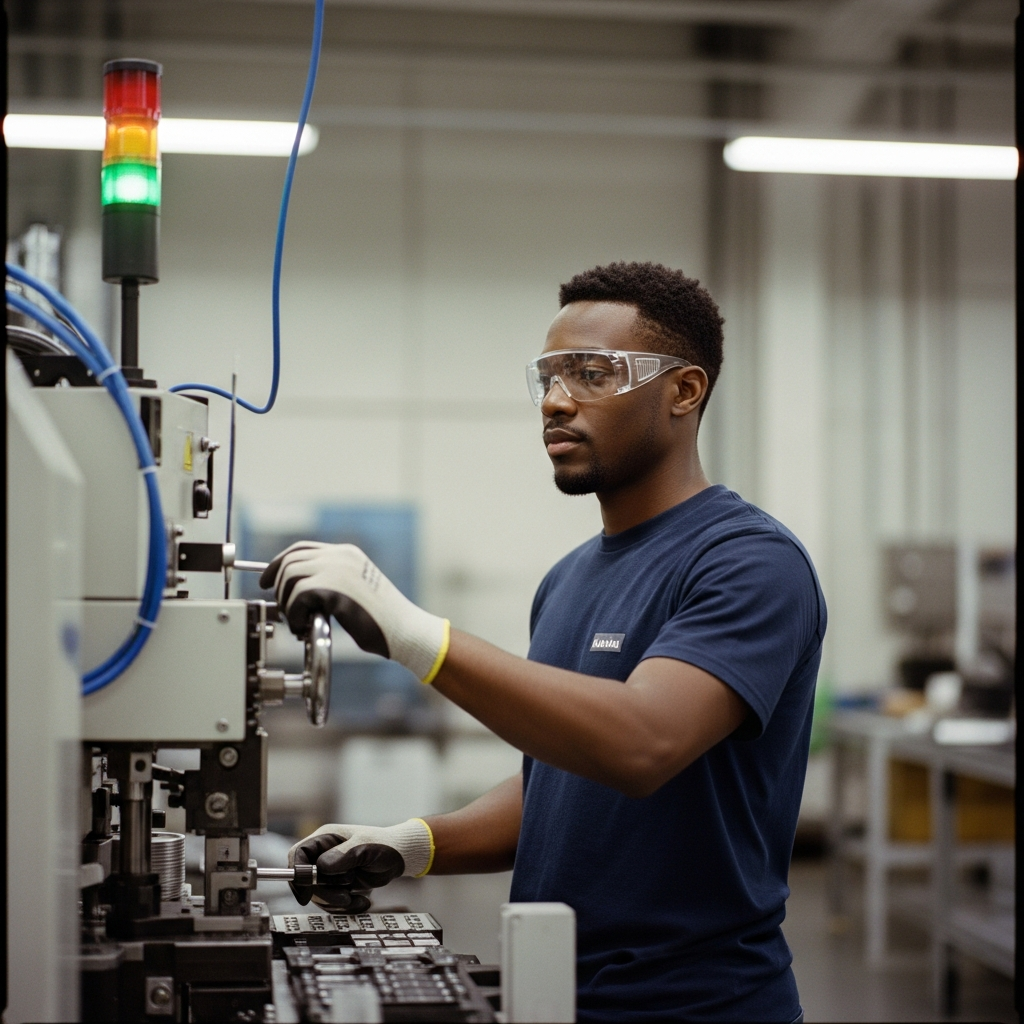
Confident manufacturing worker operating machinery representing light industrial temp-to-hire opportunities in Minnesota

Industries Driving Temp-to-Hire Success in Minnesota

Minnesota’s diverse economy offers temp-to-hire opportunities across multiple sectors. Understanding which industries have the strongest conversion potential can help you focus your job search.

Light Industrial and Manufacturing

Minnesota’s manufacturing sector remains a cornerstone of the state’s economy, and temp-to-hire arrangements are standard practice for employers managing fluctuating production demands. Roles in assembly, machine operation, quality control, and production offer excellent conversion potential for workers who demonstrate reliability and attention to detail.

At Northland Staffing, we place workers in manufacturing, mechanical assembly, food production, printing, and distribution warehouse roles throughout the Twin Cities. Employers in these sectors consistently convert top-performing temporary workers to permanent positions.

Warehouse and Distribution

The growth of e-commerce has fueled tremendous demand for warehouse and distribution workers in the Twin Cities. Fulfillment centers, distribution hubs, and logistics operations frequently use temp-to-hire arrangements to manage seasonal demands while identifying workers for permanent roles. Forklift operators, pickers, packers, and shipping clerks who demonstrate efficiency and dependability are prime candidates for conversion.

Food Production

Minnesota’s significant food processing industry relies heavily on temporary staffing to manage production cycles. Workers who prove their commitment to food safety standards, production quotas, and workplace cleanliness often transition to permanent positions with full benefits.

Cleaning and Facilities Services

Commercial cleaning and facilities management roles offer steady temp-to-hire opportunities throughout the Twin Cities. Janitorial managers, supervisors, industrial cleaners, and office cleaning professionals who demonstrate thoroughness and reliability frequently convert to permanent staff positions.

Event Staffing

While event staffing is often seasonal, exceptional performers in registration, conference support, customer service, and event coordination roles often receive permanent offers from clients impressed with their professionalism and adaptability.

Clerical and Administrative

Office support roles including sales representatives, HR assistants, and accounting clerks offer temp-to-hire pathways into Minnesota’s corporate environments. These positions allow employers to evaluate organizational skills, software proficiency, and cultural fit before making permanent hiring decisions.


7 Proven Strategies to Maximize Your Temp-to-Hire Success in Minnesota

At Northland Staffing, we’ve helped thousands of Minnesota workers transition from temporary assignments to permanent careers over nearly three decades. Here are the strategies that consistently lead to successful conversions:

1. Embrace the “Working Interview” Mindset

From your first day on assignment, approach every task as if you’re being evaluated for a permanent position—because you are. Hiring managers form lasting impressions within the first 30 days. (Constellation Search Group) Arrive early, follow safety protocols meticulously, and give consistent effort regardless of the task.

2. Prioritize Reliability Above All Else

In Minnesota’s tight labor market, employers value dependability above almost everything else. A CareerBuilder report found that reliability ranks higher than innovation for most employers evaluating temporary workers. (Constellation Search Group) Show up on time, every time. Communicate immediately if any issues arise. Meet or exceed production expectations consistently.

3. Demonstrate Flexibility and Willingness to Learn

Employers notice temporary workers who volunteer for additional shifts, cross-train on different equipment, or help out in other departments when needed. This flexibility signals that you’re invested in the company’s success—not just collecting a paycheck. (Spectra360)

4. Build Relationships with Supervisors and Coworkers

The Society for Human Resource Management (SHRM) found that over 80% of recruiters consider cultural fit to be a top factor when deciding on permanent hires. (Constellation Search Group) Take time to learn coworkers’ names, participate in team activities, and demonstrate that you’re a positive addition to the workplace culture.

5. Communicate Your Interest in Permanent Employment

Many temporary workers miss conversion opportunities simply because they never expressed interest in staying. Let your supervisor know you’d like to be considered for permanent positions. Ask what specific criteria they look for when converting temporary workers. (Monster) This conversation shows initiative and helps you understand what you need to do to earn a permanent offer.

6. Seek Feedback and Act on It

Research from Harvard Business Review shows that employees who actively request feedback are perceived as more competent and motivated. (Constellation Search Group) Ask your supervisor how you can improve, then demonstrate that you’re implementing their suggestions. This shows coachability—a trait employers highly value.

7. Stay Connected with Your Staffing Agency

At Northland Staffing, we’re your advocate throughout the temp-to-hire process. Keep us informed about your performance, any concerns, and your interest in permanent placement. We maintain close relationships with our client companies and can advocate on your behalf when conversion opportunities arise. (AMPM Employment)


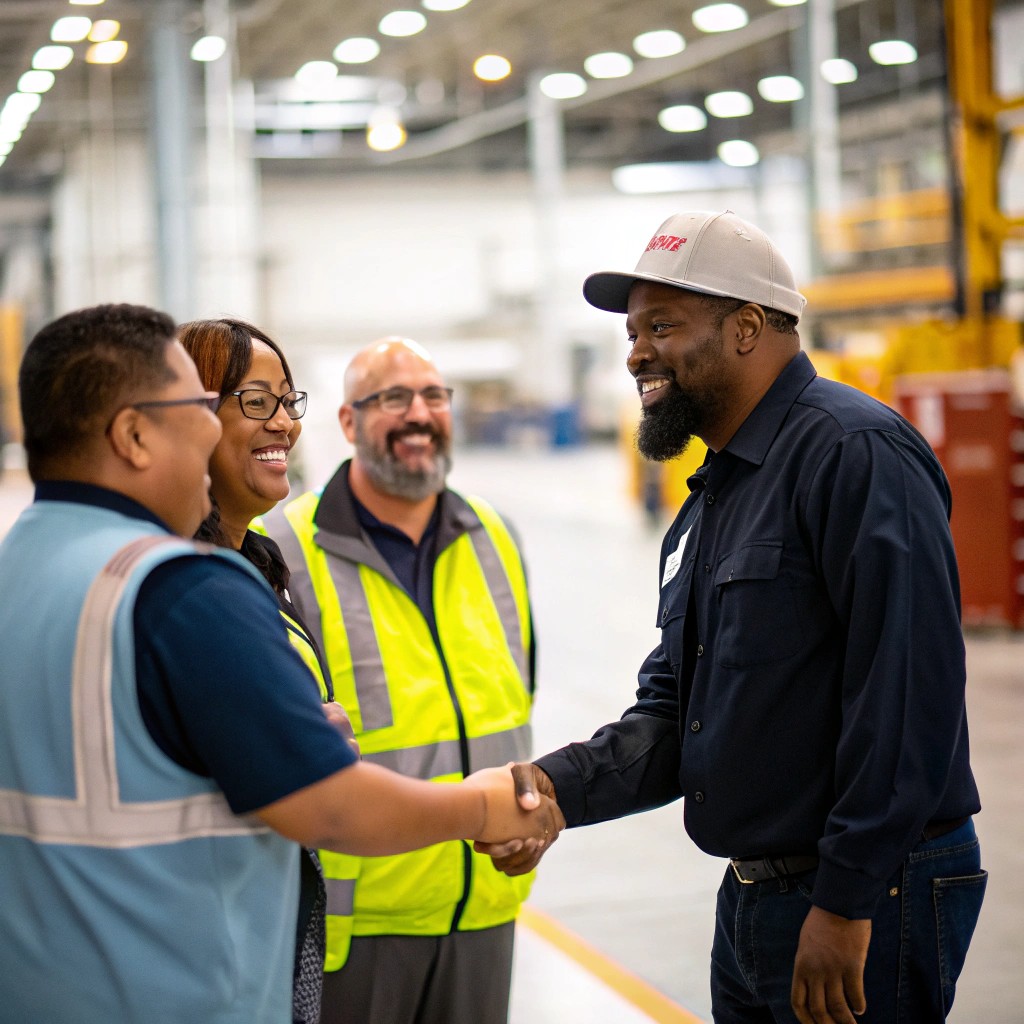
Warehouse worker shaking hands with supervisor after successful temp-to-hire conversion at Minnesota distribution facility

For Minnesota Employers: The Strategic Value of Temp-to-Hire

If you’re a Minnesota employer considering temp-to-hire arrangements, the current labor market makes this approach particularly valuable.

Key Benefits for Twin Cities Employers

  1. Evaluate Real-World Performance: In a competitive hiring environment, temp-to-hire lets you assess candidates’ actual work quality, reliability, and cultural fit before committing to permanent employment. (Activated Scale)
  2. Reduce Hiring Risk: With qualified workers in high demand, a bad hire is costly. Temp-to-hire arrangements minimize this risk by giving you time to evaluate before making permanent offers.
  3. Scale Workforce Flexibility: Minnesota’s seasonal economy—from food production cycles to holiday distribution demands—requires workforce flexibility. Temp-to-hire allows you to scale up during peak periods while identifying your best performers for permanent roles. (Indeed)
  4. Access Pre-Screened Talent: Northland Staffing handles background checks, E-Verify compliance, and initial screening, so you receive qualified candidates ready to contribute from day one.
  5. Improve Retention: Workers who transition from temp to permanent have already demonstrated commitment and cultural fit, making them more likely to stay long-term. (Activated Scale)

Why Minnesota’s Labor Market Makes Temp-to-Hire Especially Effective

Several factors make temp-to-hire arrangements particularly valuable in Minnesota’s current job market:

Tight Labor Supply Creates Conversion Incentive

Top level measures in Minnesota continue to show a strong and relatively tight labor market with steady job and labor force growth, continued low unemployment and a relatively high number of vacancies. Minnesota Department of Employment and Economic Development When employers struggle to find qualified workers, they’re highly motivated to convert temporary workers who prove themselves capable and reliable.

Strong Regional Economy Supports Job Growth

Minnesota was named one of the best states for jobs in 2025 Ez Home Search and continues to demonstrate economic resilience. This stability gives employers confidence to convert strong temporary performers into permanent employees with full benefits.

Demographic Shifts Drive Demand

Two main shifts include the aging of the population and workforce and increasing racial and ethnic diversity. Minnesota Department of Employment and Economic Development As experienced workers retire, employers need to build their permanent workforce—and temp-to-hire is an effective way to identify and develop the next generation of reliable employees.


What to Expect from the Temp-to-Hire Process

Understanding how temp-to-hire arrangements work helps you navigate the process with confidence:

  • Trial Period: Most temp-to-hire arrangements involve an evaluation period, typically 60 to 90 days, during which both you and the employer assess the fit. (Constellation Search Group)
  • Performance Evaluation: Employers assess attendance, productivity, safety compliance, teamwork, and overall attitude throughout your temporary assignment. (Activated Scale)
  • Benefits During Assignment: At Northland Staffing, we offer full health benefits, 401(k) opportunities, holiday and vacation pay, and referral bonuses to our temporary employees. (Northland Staffing)
  • Conversion Discussion: When offered a permanent position, be prepared to discuss salary, benefits, and career growth opportunities. Permanent roles typically include enhanced benefits packages and greater job security.
  • Weekly Pay: We pay weekly on Wednesday or Thursday, with options for paper check, pay card, or direct deposit—so you’re supported financially throughout your assignment.

Northland Staffing: Your Partner in Minnesota’s Job Market

At Northland Staffing Solutions, we’ve been helping Minnesotans find jobs and build careers for over 25 years. Our staffing managers combine more than 50 years of industry experience, and with offices in Minneapolis, St. Paul, and Edina, we’re positioned to serve the entire Twin Cities Metro Area.

What Sets Us Apart

  • Local Market Expertise: We have deep insights into the Twin Cities labor market, enabling us to match candidates with employers who value their skills.
  • 24/7 Availability: Our team is ready to provide staffing support around the clock to ensure you never miss an opportunity.
  • Comprehensive Benefits: We offer health benefits, 401(k), holiday pay, vacation pay, and referral bonuses to our temporary employees.
  • E-Verify Compliance: All Northland employees must pass our criminal background screening and E-Verify process before placement, ensuring you’re working alongside a reliable team.
  • Database of 40,000+ Candidates: Our extensive network allows us to match the right worker with the right opportunity quickly and efficiently.

Industries We Serve

  • Light Industrial (Manufacturing, Assembly, Food Production, Printing, Distribution)
  • Cleaning Services (Janitorial, Industrial Cleaning, Office Cleaning)
  • Event Staffing (Registration, Conference Support, Customer Service)
  • Clerical Services (Sales Reps, HR Assistants, Accounting Support)

Start Your Path to Permanent Employment in Minnesota Today

Minnesota’s job market offers exceptional opportunities for workers willing to demonstrate their value through temp-to-hire arrangements. With the state’s low unemployment rate, high labor force participation, and strong employer demand, there’s never been a better time to leverage temporary work as a pathway to permanent employment.

At Northland Staffing Solutions, we’re committed to connecting talent with opportunity. Whether you’re seeking temporary work for flexibility, looking to get your foot in the door at a great company, or ready to build a long-term career, we’re here to support you every step of the way.

Ready to find your next opportunity? Visit our Job Board to explore current openings, or apply now to get started. You can also refer a friend and earn a bonus when they’re placed.


Contact Northland Staffing Solutions

Phone: (763) 746-0053 | Email: service@northlandstaff.com

Main Office: 4110 Central Ave NE, Suite 210B, Minneapolis, MN 55421

Additional Locations: St. Paul | Edina

2026 Job Trends: How Work Is Evolving for Employers and Candidates

people working showing trending job growth going into 2026

Let’s be honest—the world of work is changing fast. Technology is everywhere, people want more flexibility, and the old rules about resumes and degrees are being rewritten.

Here at Northland Staffing Solutions, we see these changes every day. We work with incredible people and companies in light industrial, event staffing, cleaning, and clerical roles. Let’s talk about what’s really happening out there and what it means for you.


The Big Picture: What Everyone’s Talking About

Your Skills Matter More Than Your Diploma: Here’s good news—81% of companies now hire based on what you can actually do, not just what’s on your degree. Can you prove you’ve got the skills? You’re in the game.

Technology is Your Teammate, Not Your Replacement: AI and automation aren’t stealing jobs. They’re tools that make your job easier. The people winning are those who learn to work alongside these technologies.

Flexibility Is Expected: Whether it’s flexible shifts or understanding when life happens, companies that get this keep their best people.

Good Workers Are Hard to Find: If you’re reliable and skilled, you’ve got options. Employers are competing for talent, which means better pay and benefits.


Light Industrial Staffing at Northland Staffing

Light Industrial: Where the Real Work Gets Done

Manufacturing is growing steadily—1.7% in 2026 and 2.6% in 2027.

Let’s Talk Money: Manufacturing workers are making an average of $29 an hour, and those numbers keep climbing because companies are struggling to find good people.

You Don’t Need to Be a Tech Genius: About half of manufacturers are adding AI and automation, but 81% of the work still needs human hands and brains. You just need to be comfortable with scanners, tablets, and inventory systems. If you can handle a smartphone, you can learn these tools.

Work When It Works for You: Many companies offer premium pay for night, weekend, and holiday shifts—more options for everyone’s schedule.

Real Career Material: Data centers, biotech labs, and EV plants need trained, skilled professionals. There are actual career paths here.

Why Temp Work Makes Sense: For companies, Light Industrial temporary staffing handles seasonal peaks without long-term commitments. For workers, you get immediate income, learn new skills, and explore different companies before deciding where to land permanently.


Event Staffing at Northland Staffing

Event Staffing: Behind Every Great Event

The event industry is booming—heading toward $3.5 trillion globally by 2033.

Quality Over Quantity: Event organizers want people who show up on time, communicate well, and care about doing a good job. One reliable professional beats five mediocre ones.

Jack-of-All-Trades Wanted: Events aren’t simple anymore. One minute you’re handling registration, the next you’re helping with tech support. If you can roll with the punches, you’re exactly what organizers need.

Tech is Your Friend: About 62% of event companies use smart scheduling platforms that track everything in real-time. Fewer mix-ups, better communication.

Virtual + In-Person = Your Reality: With 123 million hybrid events happening, staff who can handle both the venue and online attendees are gold.

Perfect for Flexible Work: Events are temporary by nature. Perfect for temporary event staffing hires and candidates alike. If you like variety and schedule control, event staffing lets you pick and choose while building experience.


Cleaning Staffing Service at Northland Staffing

Cleaning Industry: Essential, Professional, and Growing

This industry is heading toward $800 billion globally by 2035.

Everyone Wants Good Cleaners: There’s a serious shortage—about 350,300 job openings yearly with 3% growth expected. That means better pay, better benefits.

Not All Cleaning is Equal: Cleaning a hospital, biotech lab, or data center requires real training in safety protocols, specialized equipment, and compliance. This specialized work pays better and offers career advancement.

Green is the New Standard: Companies are investing in eco-friendly products, water-saving technology, and sustainable practices.

Technology is Changing the Game: By 2026, 80% of major cleaning companies will use digital platforms for scheduling, quality checks, and tracking.

Health is Priority One: The antimicrobial coatings market alone is hitting $20.1 billion by 2026. This focus means more investment in the industry.

Flexibility When You Need It: Temporary Cleaning staffing positions let companies handle busy seasons without overwhelming regular staff, while workers find schedules that work around their lives.


Clerical Staffing Services at Northland Staffing

Clerical and Administrative: More Strategic Than Ever

While some traditional clerical jobs are declining (7% for general clerks), administrative professionals who adapt are thriving.

Your Role is Bigger Now: Today’s admin professionals coordinate projects, manage budgets, support HR, and help with strategic planning. The job has grown up, and so has the pay.

AI Does the Boring Stuff: Yes, AI helps with emails and routine tasks. But 83% of managers pay MORE for people who use AI smartly while bringing human judgment and relationship skills. Technology isn’t replacing you; it’s making you more valuable.

Specialized Roles are Booming: Medical secretaries are growing 22%. Customer experience specialists and executive assistants with strategic responsibilities are in high demand.

Temporary Positions Have Their Place: Big project coming? Someone on leave? That’s when temporary admin/clerical staffing make perfect sense. For workers, these assignments offer variety and industry exposure.


What You Should Actually Do

If You’re an Employer:

  • Pay what people are worth—wages are up
  • Be flexible with schedules where you can
  • Invest in training on new tech and specialized skills
  • Partner with Northland Staffing Solutions for demand fluctuations
  • Build strong culture—people work where they feel valued

If You’re Looking for Work:

  • Show what you can do—skills often trump degrees
  • Stay curious and keep learning
  • Consider temporary work for experience and networking
  • Highlight soft skills—reliability and communication never go out of style
  • Find employers offering training and advancement

The Bottom Line

Work in 2026 looks different, but different can be good. Whether you’re in light industrial, event staffing, cleaning, or administrative work, there are real opportunities. Wages are better, career paths are clearer, and companies are treating workers like the valuable assets they actually are.

At Northland Staffing Solutions, we’re here to help make sense of all this. Need to staff up quickly? Looking for your next opportunity? We’ve got the expertise, the connections, and honestly, we just like helping people find the right fit.

Your Questions Answered (FAQS)

What jobs will be in highest demand in 2026?

Healthcare (home health aides, medical assistants), skilled trades (electricians, HVAC techs), tech jobs (software developers, cybersecurity), and in our world—light industrial, event staffing, cleaning, and administrative work—especially if you’ve got the right skills and can work with technology.

How is AI affecting jobs in 2026?

AI is helping more than hurting. About 88% of companies use AI in hiring now, and while some basic tasks are automated, AI creates demand for workers who use these tools effectively. In manufacturing, 81% of work still needs actual humans. Winners are people who combine AI skills with critical thinking and people skills.

What industries are hiring the most in 2026?

Healthcare is #1—over 2.3 million new jobs expected by 2033. Tech and professional services are fastest-growing. Manufacturing is steady at 1.7% growth. The cleaning industry is marching toward $800 billion globally by 2035. Events are projected to hit $3.5 trillion by 2033.

Is skills-based hiring really replacing degree requirements?

Absolutely. 81% of companies now hire based on skills, not degrees. 94% say they trust demonstrated abilities more than a diploma. This is especially true in light industrial, technical, and administrative roles. Some specialized positions might still want degrees, but the trend is clear—show what you can do.

What are the benefits of temporary staffing in 2026?

For companies: flexibility for busy seasons and special projects without long-term commitments, plus “try before you buy” with potential permanent employees. For workers: immediate income, explore different companies, build skills, schedule flexibility, and sometimes transition to permanent positions. Win-win.

How much do light industrial workers make in 2026?

Manufacturing workers average $29-35 per hour. Entry-level starts around $16-18 per hour. Specialized environments (data centers, biotech, advanced manufacturing) can pay $25-40+ per hour. Premium pay for nights, weekends, and holidays increases earnings further.

What skills are most important for administrative jobs in 2026?

Digital tools (Microsoft Office, Google Workspace, project management software), AI literacy, communication, organization, adaptability, and customer service. Admin pros who can coordinate projects, manage budgets, use CRM systems, work with AI tools, AND bring that human touch are most valued. Specialized skills can bump salary up 83%.

Are cleaning jobs considered skilled work now?

Yes! Especially in specialized environments—healthcare facilities, data centers, biotech labs, manufacturing plants. These need trained professionals who understand compliance, specialized equipment, safety protocols, and sanitation standards. This means better career paths, higher pay, and actual professional development.

How has the event staffing industry changed?

Quality over quantity is the big shift. Organizers want reliable, professional, well-trained staff. Technology is everywhere—real-time tracking, smart scheduling. With 123 million hybrid events, you need both in-person and virtual capabilities. Cross-trained staff who can do multiple jobs are worth their weight in gold.

Will there be job growth in clerical and administrative roles?

Mixed. Basic clerical jobs are down 7% due to automation. But specialized administrative roles are booming. Medical secretaries up 22%. Executive assistants, customer experience specialists, project coordinators—strong demand and higher salaries. The trick is expanding your skills and embracing technology.

Ready to figure out your next move? Whether you’re building a team or finding a job, Northland Staffing Solutions is here to help. We know these industries inside and out, and we’re really good at matching the right people with the right opportunities. Let’s talk—give us a call today.

Building Stability: Why Light Industrial and Office Staff Stay—or Leave in the Twin Cities

Managers talking to warehouse staff

In Minnesota’s fast-paced labor market—spanning warehouse floors to busy office suites—businesses in the Twin Cities need employees who stick. From packaging and production to clerical support and HR tasks, understanding why your talent stays (or leaves) can enable smarter staffing.

Since 1996, Northland Staffing Solutions has been a trusted Twin Cities partner, offering tailored staffing for both light industrial and office clerical roles, backed by decades of combined expertise. Let’s explore the retention dynamics at play—and how to build a more enduring workforce.


Why Employees Leave: From the Factory Floor to the Administrative Desk

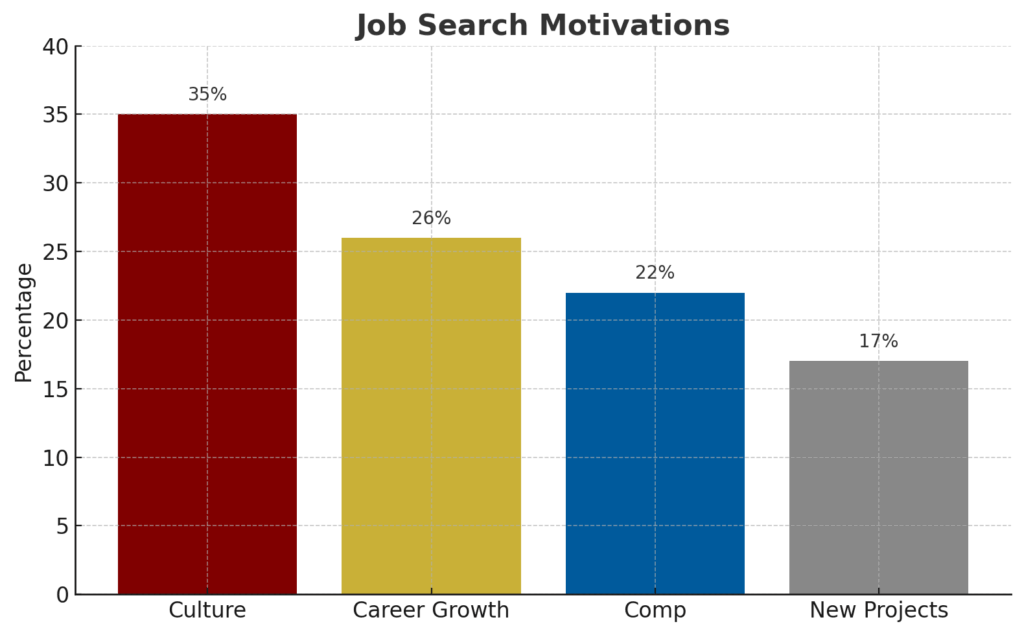
  • Few Clear Growth Paths
    Whether an assembly-line worker or administrative assistant, talent seeks progress. Without defined career trajectories—like team lead roles or opportunities to develop cross-functional skills—motivation can stall.
  • Feeling Undervalued
    Whether assembling packages or managing payroll, support roles often go unacknowledged. Simple recognition—for consistent attendance or accuracy—can significantly reduce turnover.
  • Communication Gaps
    Rapid-shift environments or busy office workflows suffer when expectations are unclear. When employees don’t know how they’re doing—or what’s expected next—engagement erodes.

What Makes Staff Stay: Key Drivers for Light Industrial and Clerical Roles

  • Clarity and Leadership
    Well-organized shift briefings or regular check-ins help boost confidence and consistency—whether on the warehouse floor or in the back office.
  • Skill Building and Cross-Training
    Opportunities to learn equipment operation or bookkeeping software empower individuals—and make them more invested in staying.
  • Recognition that Resonates
    Acknowledging production milestones or error-free reports builds pride and retention across roles.
  • Purpose and Support
    Workers stay when they feel their work matters—whether it’s keeping fulfillment running smoothly or ensuring payroll accuracy. Plus, knowing there’s a staffing partner who backs their success matters.

How Northland Staffing Helps Keep Talent in Place

Drawing from their rich Twin Cities experience—established in Minneapolis in 1996 and expanded throughout St. Paul and Hopkins—Northland brings consultative staffing solutions for both light industrial and office functions. Their team boasts over 50 years of combined staffing leadership, offering reliability and thoughtful service.

Flexible Solutions for Every Need
From temporary and contract-to-hire to direct placements and payrolling, Northland crafts staffing plans that fit each client’s unique challenges—seasonal surges, hiring freezes, or special projects.

24/7 Availability and Deep Local Roots
With offices in Minneapolis, St. Paul, and Hopkins, Northland delivers staffing support around the clock across the Twin Cities metro area.

Consultative Partnership
They don’t just place workers—they analyze staffing needs with clients and propose solutions meant to increase productivity and align with company culture.

Proven Satisfaction
Clients and job seekers value Northland’s personal approach and dependable service—highlighting their energetic team and the stability they bring to workplaces.


Recommendations for Employers Across Both Sectors

ChallengePractical Approach
Production or admin turnoverMap career paths—and promote internally when possible
Staff feel unseen in routine rolesSpotlight dependability and achievements regularly
Shift or department misalignmentEstablish daily briefings or progress check-ins
Peak demand or hiring uncertaintyPartner with Northland for temp-to-hire flexibility

Final Thoughts

Whether you’re managing warehouse floors or clerical teams, retaining top talent depends on clarity, recognition, growth, and meaningful support. Northland Staffing Solutions, with its Twin Cities legacy and dual-sector expertise, is positioned to be a valuable staffing ally—helping your workforce not just stay, but also thrive.

If you’re ready to build a more stable and supported team—be it industrial or office-based—reach out to explore how Northland can tailor a staffing solution that works for you.